Skip to content
Cargoclear crate and check emblemCargoclearDG paperwork studio

Diagram library

Every template that carries the illustrative stamp.

The workspace composes these plates around your shipment and prints your candidate entry, class and mode onto them. Each one is planning geometry: it is not a printable compliance label and must not be applied to a package. The composer is inside the workspace, driven by the consignment you describe.

Compose from a shipment

Label sketches

Structural sketch of four blank hazard label diamonds with upper and lower zones, used to plan label placementIllustrative
01

Label and placard sketch

Plan which diamonds a package carries and where the class, subsidiary risk and marks sit.

Packing diagrams

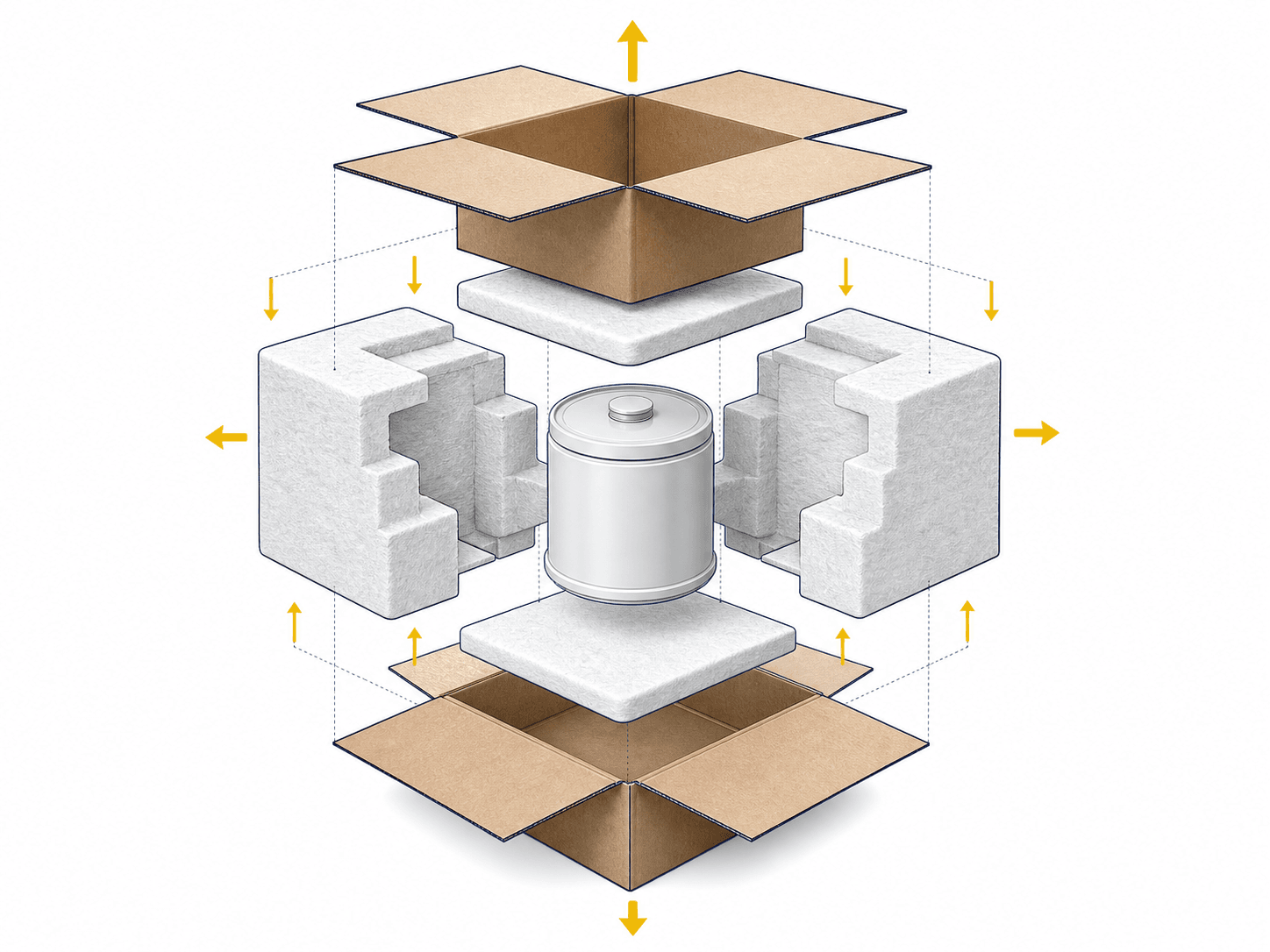
Exploded cutaway of an outer carton containing an inner receptacle surrounded by absorbent cushioningIllustrative
02

General packing cutaway

Show the inner receptacle, absorbent volume and cushioning arrangement to the packing station.

Cutaway of individually bagged battery cells separated by dividers inside an inner box within an outer cartonIllustrative
03

Cell separation and terminal protection

Show terminal protection, dividers and the outer packaging for cell consignments.

Cutaway of a clamped metal tin seated in absorbent granules inside a fibreboard outer box with orientation arrowsIllustrative
04

Liquid receptacle seating

Show closure, absorbent bed and upright orientation for liquid receptacles.

Classification cards

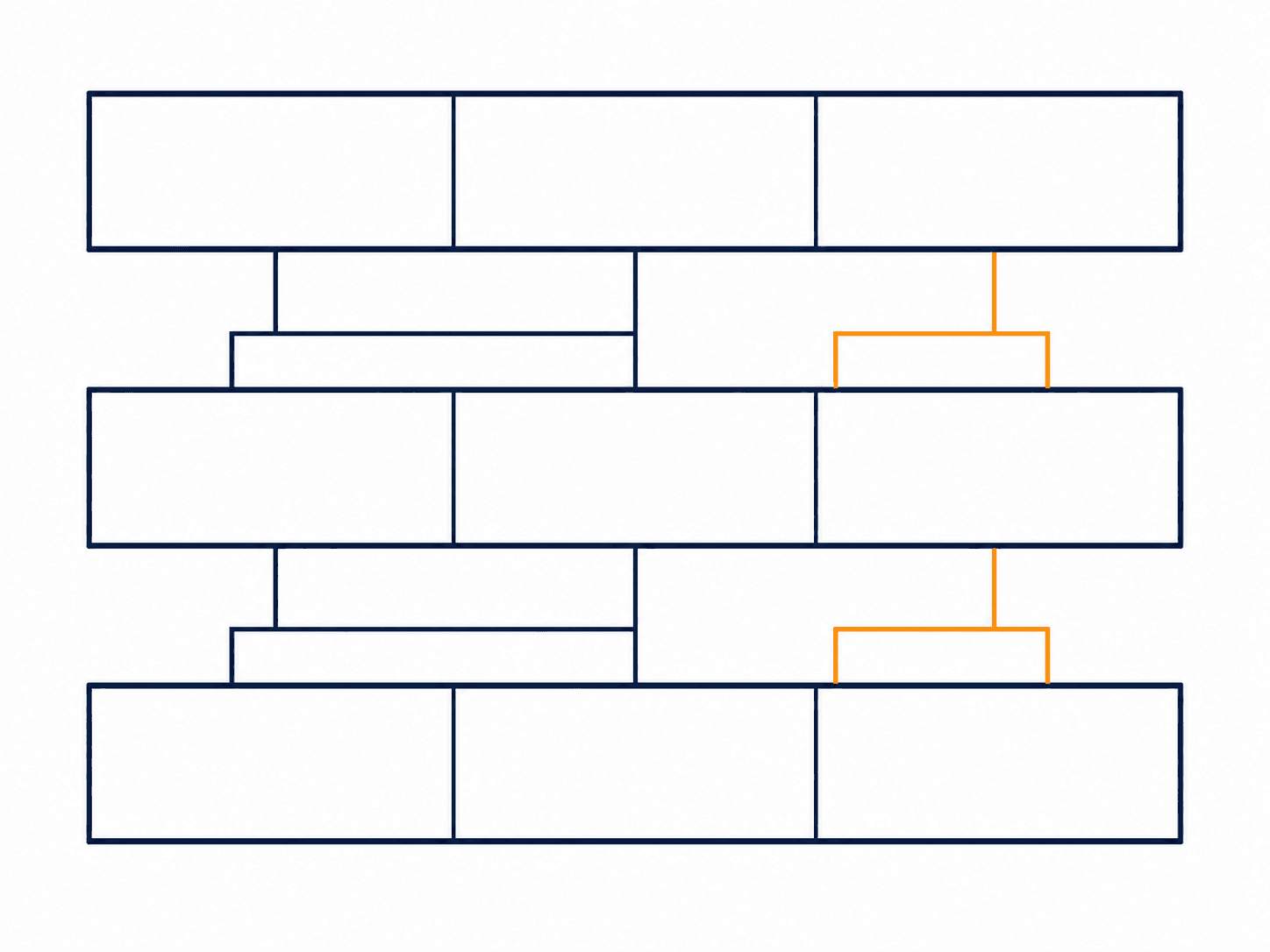
Structural taxonomy chart with stacked bands subdividing into cells and one emphasised branchIllustrative
05

Classification structure chart

Walk a reviewer through class, division and packing group as a decision structure.

Grid of sixteen equal blank panels representing the sixteen sections of a safety data sheet with three highlightedIllustrative
06

Safety data sheet section map

Point the reader at the sections that drive transport determinations.

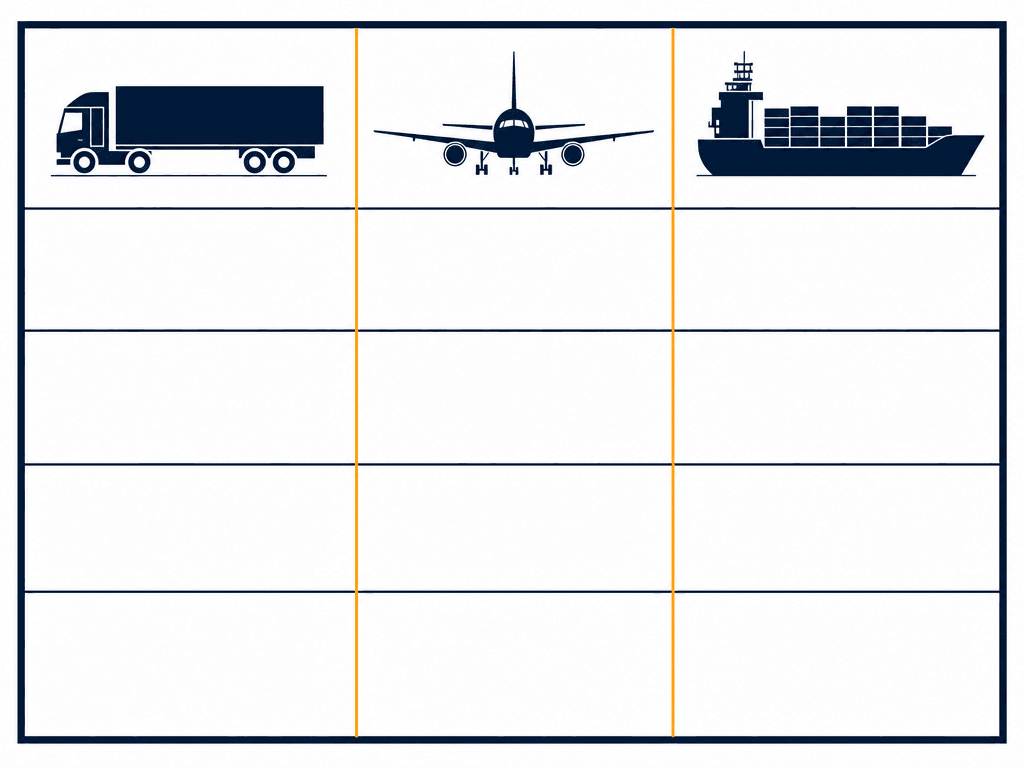
Three-column comparison diagram with truck, aircraft and container ship silhouettes above blank comparison cellsIllustrative
07

Mode comparison strip

Compare what changes when the same consignment moves by road, air or sea.

Emergency cards

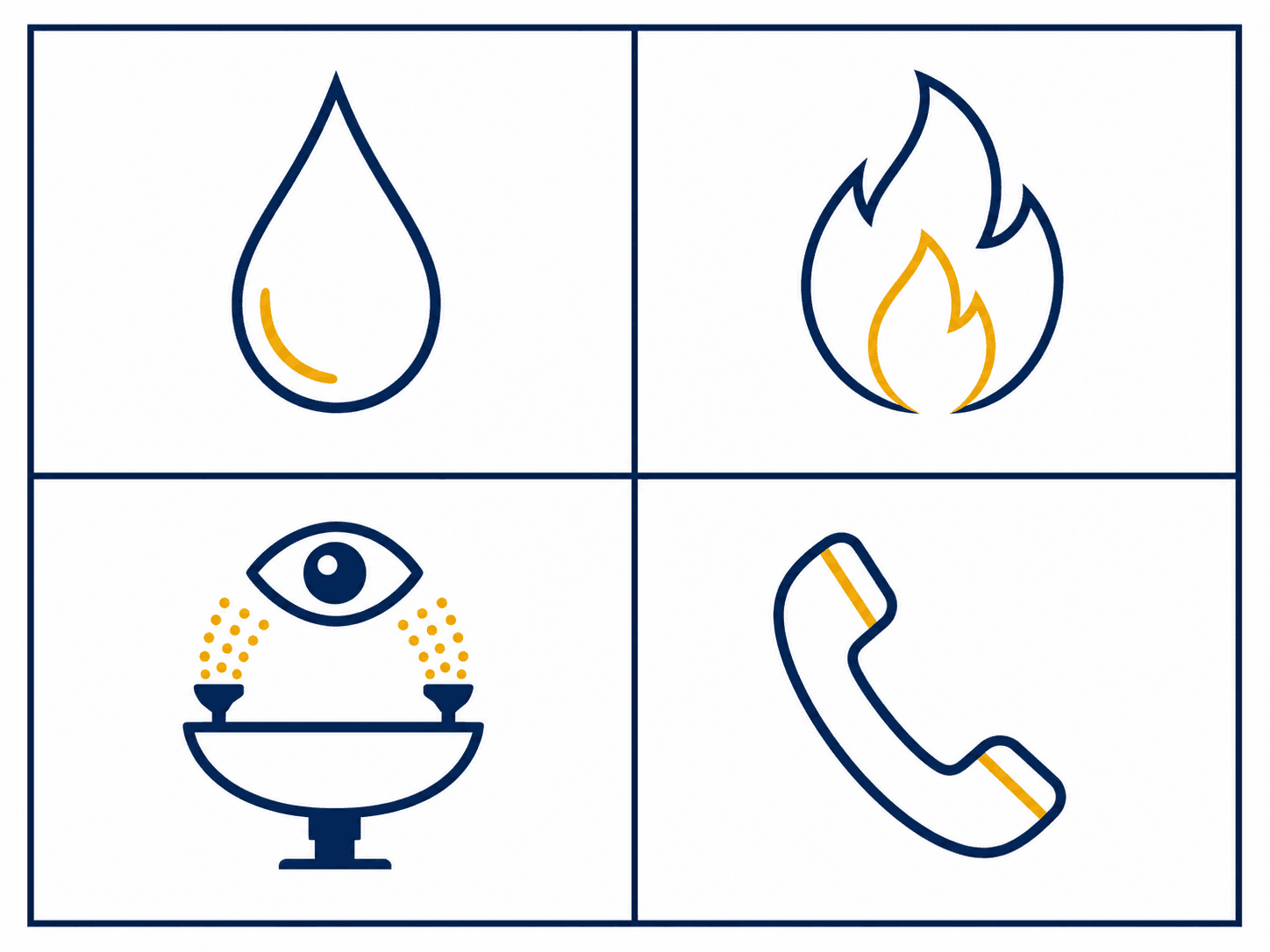
Four quadrant emergency reference sheet with droplet, flame, eye-wash and telephone symbolsIllustrative
08

Emergency response quadrants

Give the vehicle cab or packing station a four-quadrant response reference.

Class reference

The nine classes, as label geometry.

The label sketch composer draws the diamond geometry for the class the engine identifies. Colours and devices shown are structural. Compliant labels must meet the dimension, colour and symbol requirements set out in the regulations and come from a suitable supplier.

Flat icon set of safety goggles, gloves, respirator, hard hat, boot and eye-wash bottle
  • Class 1ExplosivesOrange diamond with division and compatibility group
  • Class 2.1Flammable gasRed diamond with flame device
  • Class 2.2Non-flammable, non-toxic gasGreen diamond with cylinder device
  • Class 2.3Toxic gasWhite diamond with skull device
  • Class 3Flammable liquidRed diamond with flame device
  • Class 4.1Flammable solidRed-and-white striped diamond with flame device
  • Class 4.2Substance liable to spontaneous combustionHalf white, half red diamond
  • Class 4.3Substance emitting flammable gas in contact with waterBlue diamond with flame device
  • Class 5.1Oxidising substanceYellow diamond with flame-over-circle device
  • Class 5.2Organic peroxideHalf red, half yellow diamond
  • Class 6.1Toxic substanceWhite diamond with skull device
  • Class 6.2Infectious substanceWhite diamond with biohazard device
  • Class 7Radioactive materialCategory-dependent diamond with trefoil device
  • Class 8Corrosive substanceHalf white, half black diamond with corrosion device
  • Class 9Miscellaneous dangerous substances and articlesWhite diamond with seven vertical stripes

Commodity families

What the engine recognises from a description.

01

Lithium-ion cells or batteries

Rechargeable lithium-ion cells and batteries, shipped loose, packed with equipment or contained in equipment. The applicable entry, packing instruction and state-of-charge condition all depend on watt-hour rating, configuration and transport mode.

Candidate: UN 3480 · Class 9

02

Paint, thinner or other flammable liquid

Liquid coatings and related flammable liquids shipped in metal or plastic receptacles. Packing group depends on flash point and boiling point taken from the supplier safety data sheet, which must be confirmed before the entry is completed.

Candidate: UN 1263 · Class 3

03

Aerosols and pressure receptacles

Aerosol dispensers and small pressure receptacles. The correct entry depends on the propellant and on whether the contents are flammable, toxic or non-flammable, and on the receptacle capacity.

Candidate: UN 1950 · Class 2.1

04

Corrosive cleaning or process chemicals

Acidic or alkaline liquids and solids used in cleaning and process work. Packing group follows the corrosivity data in the supplier safety data sheet, and receptacle material compatibility is critical.

Candidate: UN 1760 · Class 8

05

Environmentally hazardous substances

Solid or liquid substances classified as hazardous to the aquatic environment. Marine pollutant status is a critical determination for sea transport and affects marking on every mode.

Candidate: UN 3077 · Class 9

A description outside these families is handled by a general regulated template that lists every determination to make from the supplier safety data sheet. Candidate entries and classes shown here are starting points for a draft, confirmed by a DGSA against the current regulatory texts.